Journey 8 of 10 · 12 steps
The Archimedean Family
Cut the corners of a cube until it becomes an octahedron
Truncation as a story: slice the corners off a Platonic solid, deeper and deeper, and the thirteen solids of Archimedes appear one after another, until the solid has turned into its dual.
In the app each step moves: figures draw themselves, rise from the page, turn and slice, and the narration can be read aloud. Here they are held still, one picture each.
-
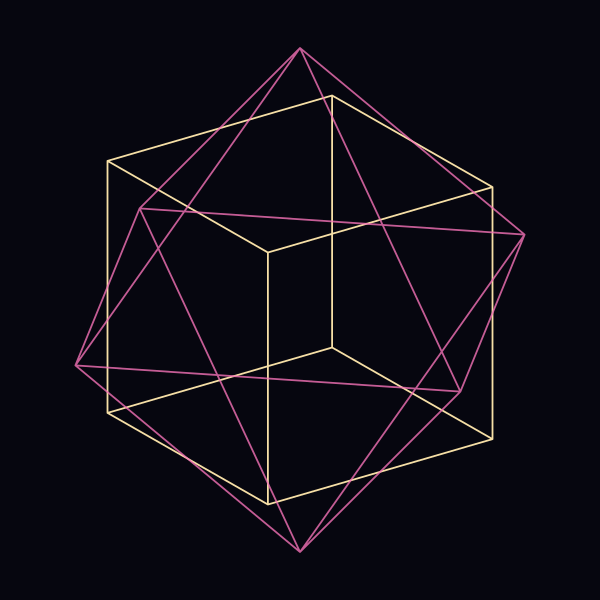
Step 1 · Cube
A cube and its shadow self
Every Platonic solid has a dual: put a point in the middle of each face and join them. The cube’s dual is the octahedron. We are going to turn one into the other with nothing but a knife.
-
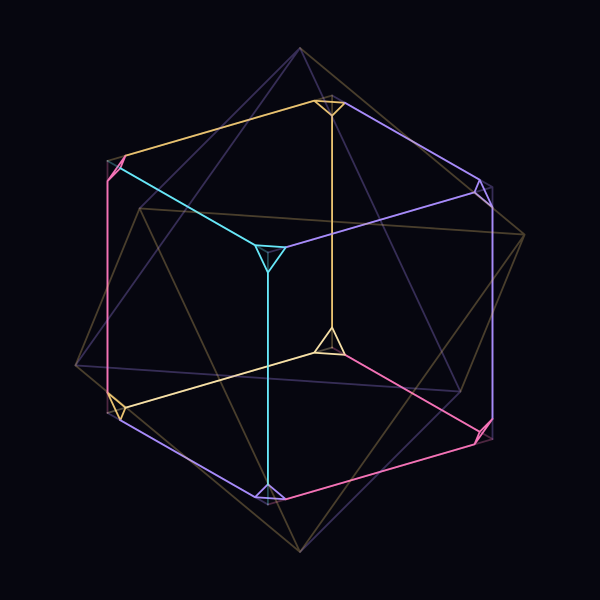
Step 2 · Cube to Octahedron
Cut a corner
Slice a little off each of the eight corners. Each cut leaves a small triangle, and every square face loses its corners.
-
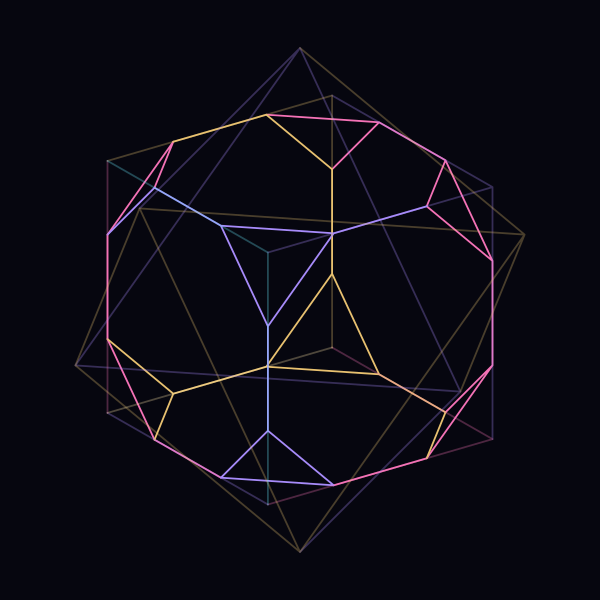
Step 3 · Cube to Octahedron
The truncated cube
Cut 0.293 of the way along each edge and the squares become perfect octagons: the truncated cube, with every edge equal again.
-
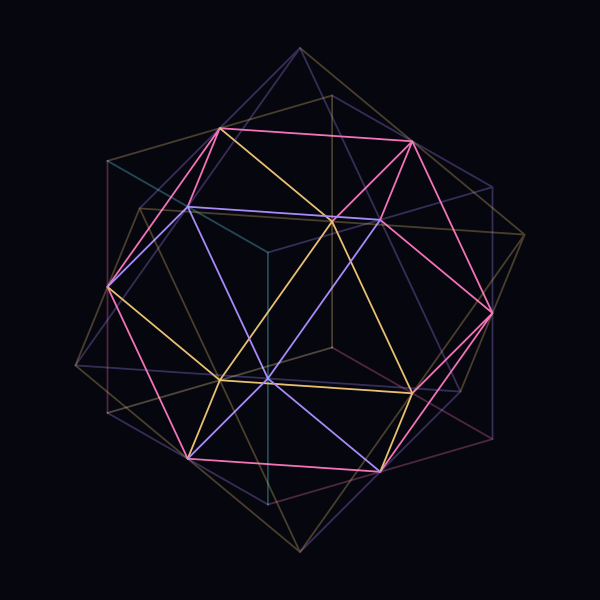
Step 4 · Cube to Octahedron
Halfway
When the cuts meet at the middles of the edges, the octagons have shrunk back to squares and the triangles have grown to meet them: the cuboctahedron, balanced exactly between cube and octahedron.
-
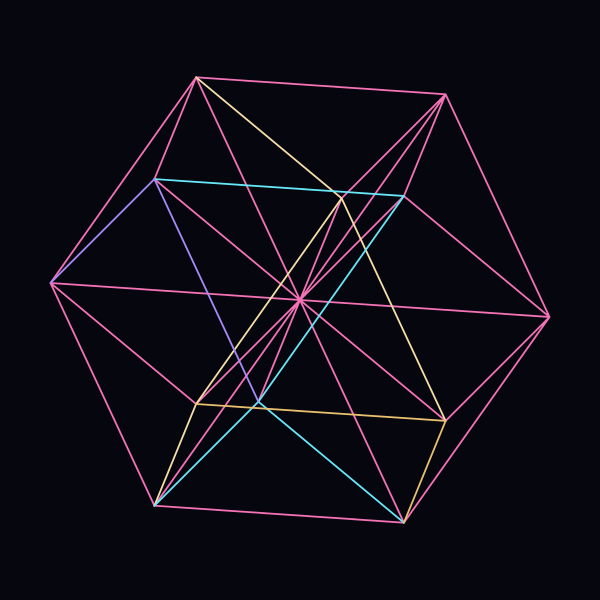
Step 5 · Vector Equilibrium
The vector equilibrium
Fuller saw the whole of his geometry in this halfway solid: twelve corners as far from the centre as from each other, the centres of twelve spheres around one.
-
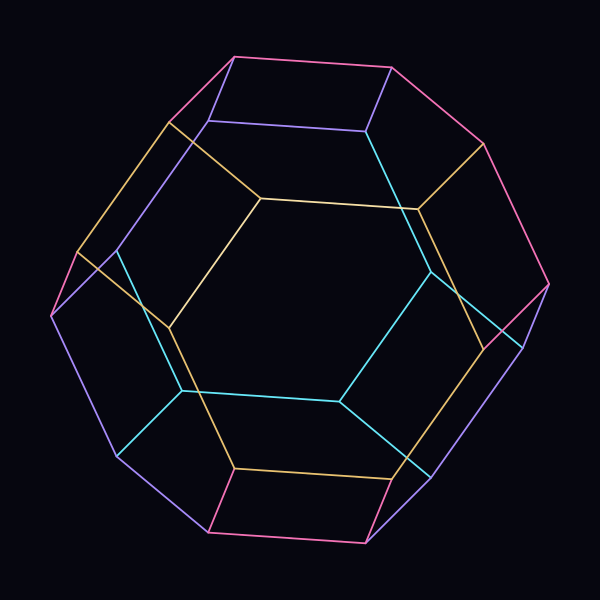
Step 6 · Truncated Octahedron
Two thirds of the way
Cut on and the triangles become hexagons: the truncated octahedron. Copies of it fill space with no gaps, the only Archimedean solid that can.
-
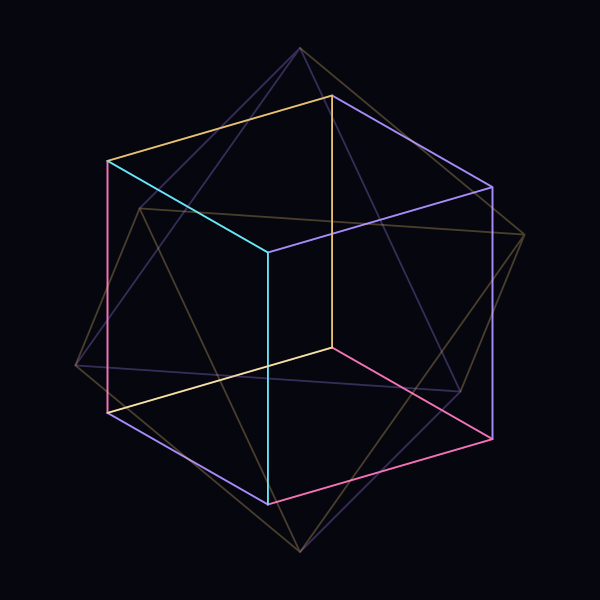
Step 7 · Cube to Octahedron
Breathe
Now let the knife move on its own. The cube breathes out into the octahedron and back, and at each named stop the faces snap into regular polygons.
-
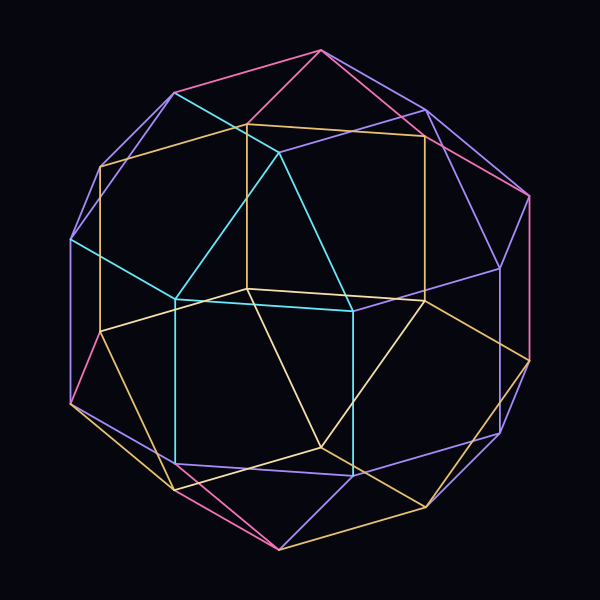
Step 8 · Rhombicuboctahedron
Pull the faces apart
Not every Archimedean solid is a cut. Push the cube’s six faces outward and fill the gaps with squares and triangles: the rhombicuboctahedron, which Leonardo drew for Pacioli.
-
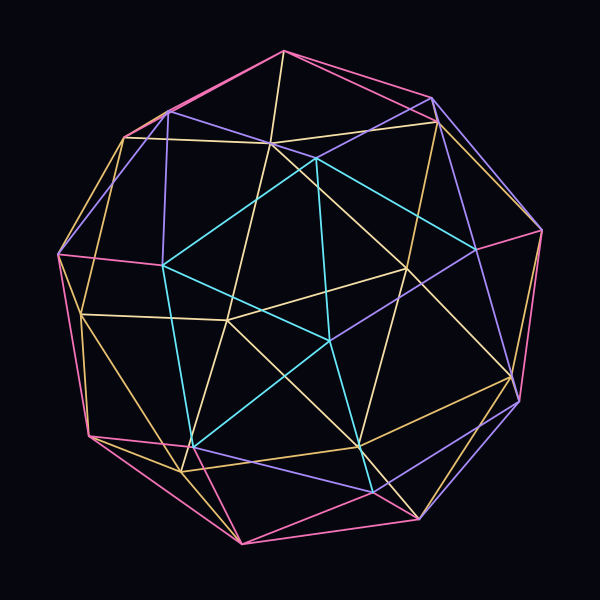
Step 9 · Snub Cube
Give it a twist
Turn each of those squares a little and the gaps fill with triangles instead. The snub cube is left- or right-handed, and no turn will lay one hand on the other.
-
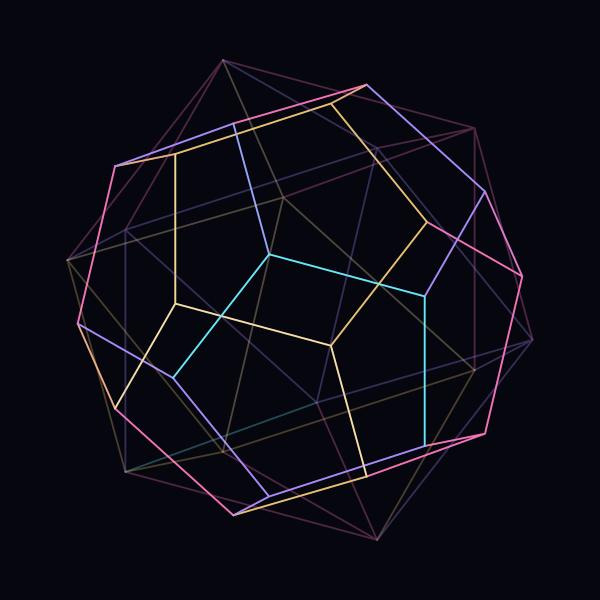
Step 10 · Dodecahedron to Icosahedron
The golden family
The same knife carries the dodecahedron into the icosahedron: decagons, then the icosidodecahedron at the middle, then the hexagons of the football.
-
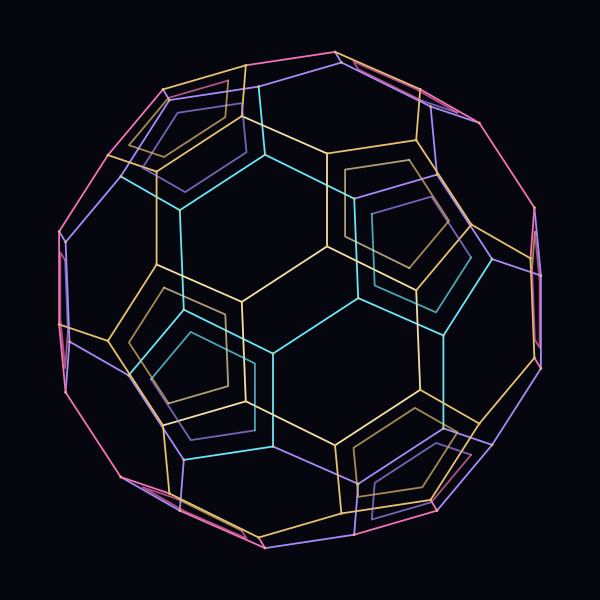
Step 11 · Truncated Icosahedron
The football
Two thirds of the way from the icosahedron’s side: twelve pentagons and twenty hexagons. Carbon builds the same cage, sixty atoms at its corners.
-
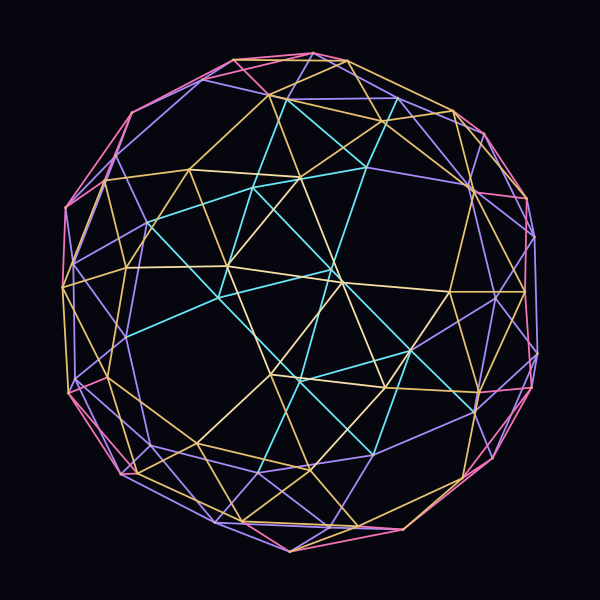
Step 12 · Snub Dodecahedron
Thirteen
Last and most intricate, the snub dodecahedron: 92 faces, twisted like its cubic cousin. Archimedes knew all thirteen; Kepler found them again and proved there are no more. See all thirteen in Explore